Cardboard Gable Boxes | Custom Packaging Solutions by The Blue Packaging
As a seasoned packaging engineer and print production specialist, I've worked with numerous brands to design, test, print, pack, and ship custom Cardboard Gable Boxes. In this article, I'll share my expertise on the design, production, and application of these versatile boxes.
Why Cardboard Gable Boxes Matter
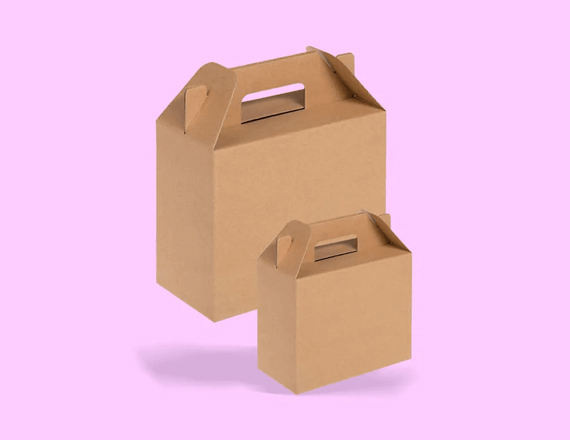
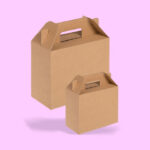
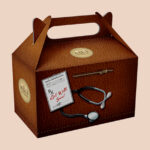
In the world of packaging, Cardboard Gable Boxes are a staple for many industries, including food, beverage, and retail. Their unique design allows for easy opening and closing, making them ideal for products that require a secure and tamper-evident seal.
However, if not designed correctly, Cardboard Gable Boxes can lead to costly damage and shipping issues. For instance, if the flaps are too small or too large, they may not seal properly, compromising the product's integrity and potentially leading to costly returns or damaged goods.
When Cardboard Gable Boxes are the Wrong Choice
Cardboard Gable Boxes are not suitable for products that require a high level of protection against moisture, dust, or extreme temperatures. In such cases, a more robust packaging solution, such as a corrugated box or a plastic container, would be a better choice.
Additionally, if you're shipping fragile or high-value items, a custom-designed box with extra cushioning and support would be a better option. In this scenario, a Cardboard Gable Box may not provide the necessary protection, leading to costly damage or loss.
How Cardboard Gable Boxes Impact Cost and Performance
The cost of Cardboard Gable Boxes can vary greatly depending on the size, material, and print requirements. For instance, a small, plain box may cost as little as $0.50, while a larger, printed box can cost upwards of $5.00.
However, if not designed correctly, Cardboard Gable Boxes can lead to increased costs due to damage, returns, or lost sales. For example, if a product is damaged during shipping due to a poorly designed box, the cost of replacement and shipping can be substantial.
Designing Effective Cardboard Gable Boxes
When designing Cardboard Gable Boxes, it's essential to consider the product's dimensions, weight, and packaging requirements. A well-designed box should provide a snug fit, ensuring the product is secure and protected during shipping.
However, if the box is too tight or too loose, it can lead to costly issues. For instance, if the box is too tight, it may not allow for adequate cushioning, leading to damage during shipping. On the other hand, if the box is too loose, it may not provide a secure seal, compromising the product's integrity.
Measurable Specs for Cardboard Gable Boxes
| Spec | Description | Typical Range |
|---|
| ECT (Edge Crush Test) | Measures the box's ability to withstand compression | 50-100 lb/ft³ |
| GSM (Grams per Square Meter) | Measures the box's weight and density | 200-400 gsm |
| Caliper (Thickness) | Measures the box's thickness and rigidity | 1.5-3.5 mm |
| Tolerances | Measures the box's dimensional accuracy |
Print Method Breakpoints for Cardboard Gable Boxes
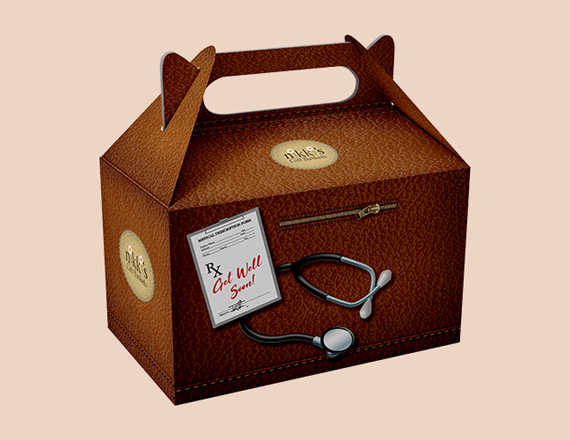
The print method used for Cardboard Gable Boxes can significantly impact the final cost and quality of the box. Digital printing is ideal for small to medium-sized orders, while offset printing is more cost-effective for larger quantities.
However, if not designed correctly, the print method can lead to costly issues. For instance, if the print is too dark or too light, it may not provide adequate visibility, compromising the product's branding and marketing efforts.
MOQ Logic and Pricing Inflection Points for Cardboard Gable Boxes
The minimum order quantity (MOQ) for Cardboard Gable Boxes can vary greatly depending on the size, material, and print requirements. For instance, a small, plain box may have an MOQ of 100 units, while a larger, printed box may have an MOQ of 1,000 units.
However, if not designed correctly, the MOQ can lead to increased costs due to waste and inefficiencies. For example, if a product requires a custom-designed box with a high MOQ, it may not be cost-effective, leading to increased costs and reduced profitability.
Realistic Industry Statistics for Cardboard Gable Boxes
According to a recent study, the average cost of damaged goods due to poor packaging is $1,500 per incident. Additionally, the average return rate for damaged goods is 15%, resulting in significant losses for businesses.
However, by designing effective Cardboard Gable Boxes, businesses can reduce damage rates and increase conversion rates. For instance, a well-designed box can increase sales by 10% and reduce returns by 20%.
Explicit Warnings for Cardboard Gable Boxes
When designing Cardboard Gable Boxes, it's essential to consider the following warnings:
- Do not use Cardboard Gable Boxes for products that require high levels of protection against moisture, dust, or extreme temperatures.
- Do not use Cardboard Gable Boxes for fragile or high-value items that require extra cushioning and support.
- Do not use Cardboard Gable Boxes with inadequate flaps or seals, as they may compromise the product's integrity and lead to costly damage or returns.
Conclusion
Cardboard Gable Boxes are a versatile and cost-effective packaging solution for many industries. However, if not designed correctly, they can lead to costly damage, shipping issues, and reduced conversion rates.
By considering the measurable specs, print method breakpoints, MOQ logic, and pricing inflection points for Cardboard Gable Boxes, businesses can design effective packaging solutions that meet their specific needs and requirements.
At The Blue Packaging, we offer custom Cardboard Gable Boxes designed to meet your specific needs and requirements. Contact us today to learn more about our packaging solutions and how we can help you reduce costs and increase conversion rates.
Get a quote for custom Cardboard Gable Boxes