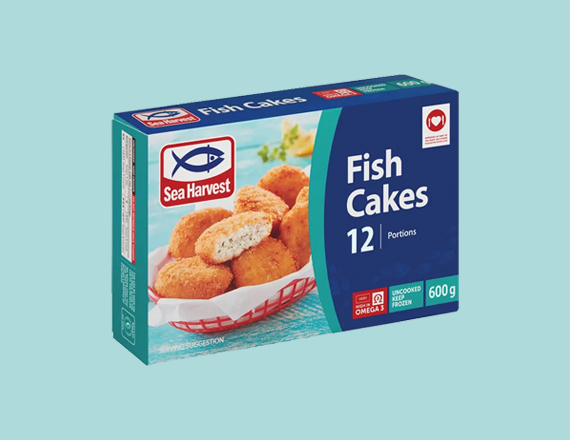
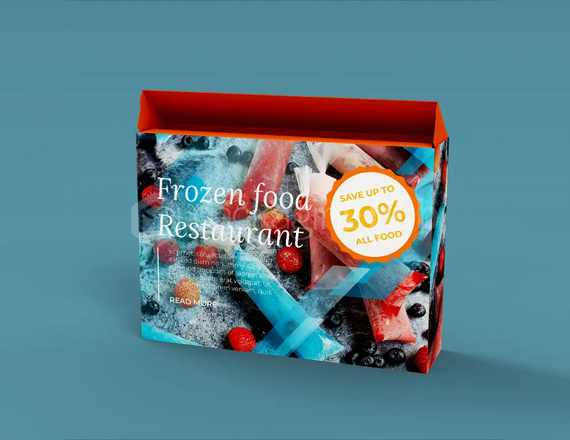
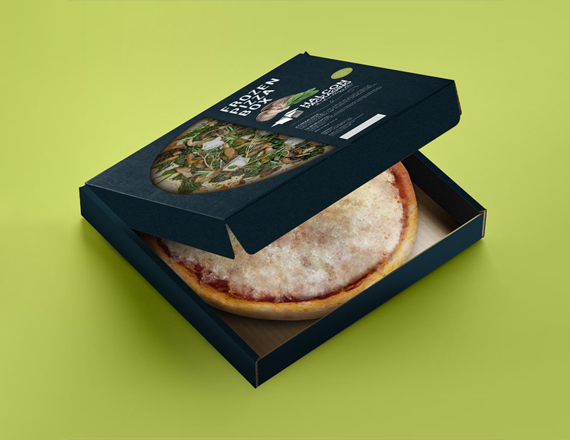
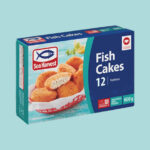
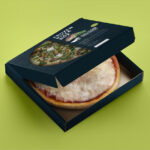
Frozen Food Packaging
As a leading custom packaging manufacturer in the United States, The Blue Packaging has extensive experience designing, testing, printing, packing, and shipping frozen food packaging solutions for growing and enterprise brands.
Why Custom Frozen Food Packaging Matters
In the frozen food industry, packaging plays a critical role in maintaining product quality, reducing damage rates, and ensuring compliance with regulations. Custom frozen food packaging allows brands to tailor their packaging to specific product needs, ensuring optimal performance in various shipping and retail environments.
When choosing the wrong packaging, brands risk damaging their products, increasing shipping costs, and compromising customer satisfaction. For example, if a frozen food product is packaged in a box that is too small, it may not provide adequate cushioning, leading to product damage during shipping.
On the other hand, custom frozen food packaging can help brands reduce costs by minimizing waste, optimizing packaging materials, and streamlining the supply chain. According to a study by the Food Marketing Institute, the average cost of food waste in the United States is approximately $161 billion annually. By choosing the right packaging, brands can help reduce this waste and save money.
Structural Packaging Design for Frozen Food
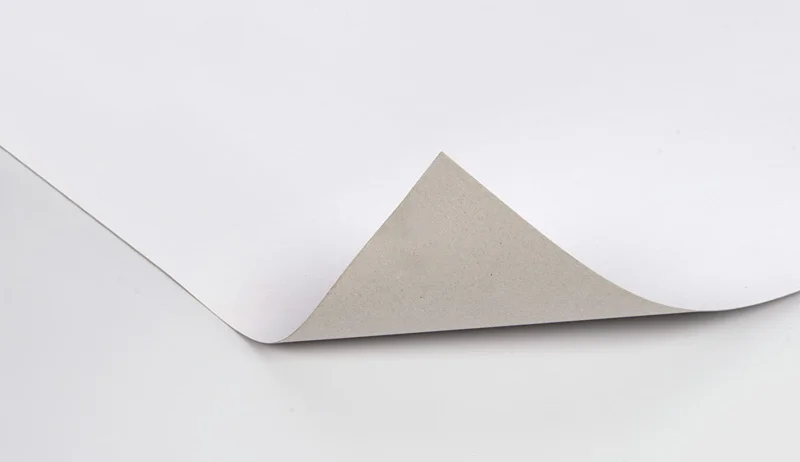
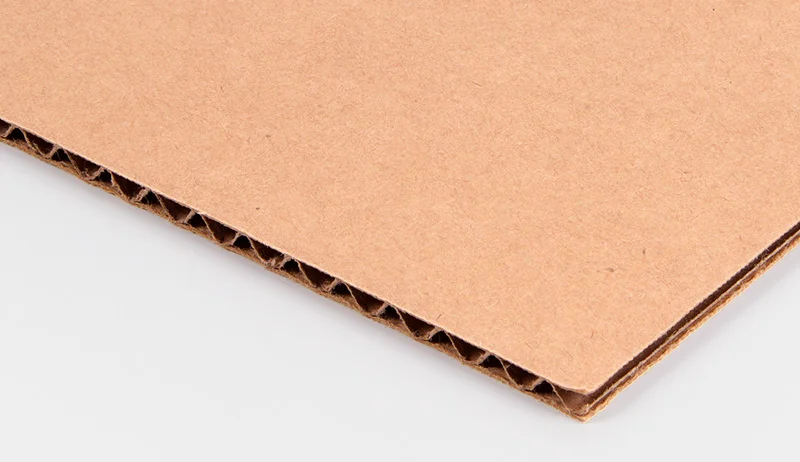
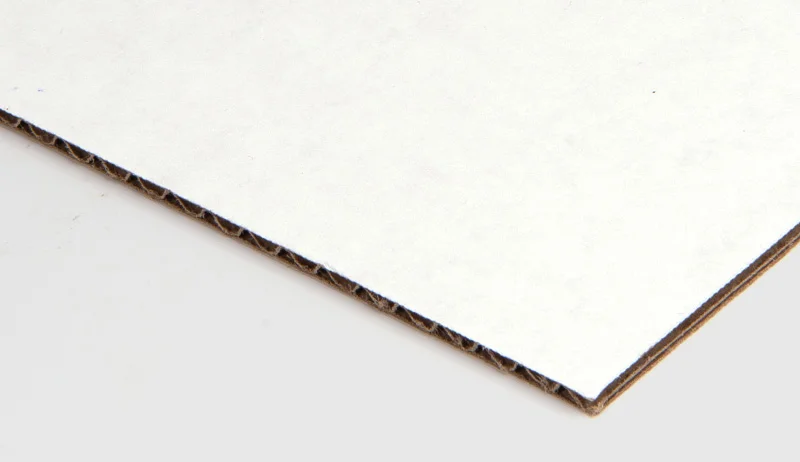
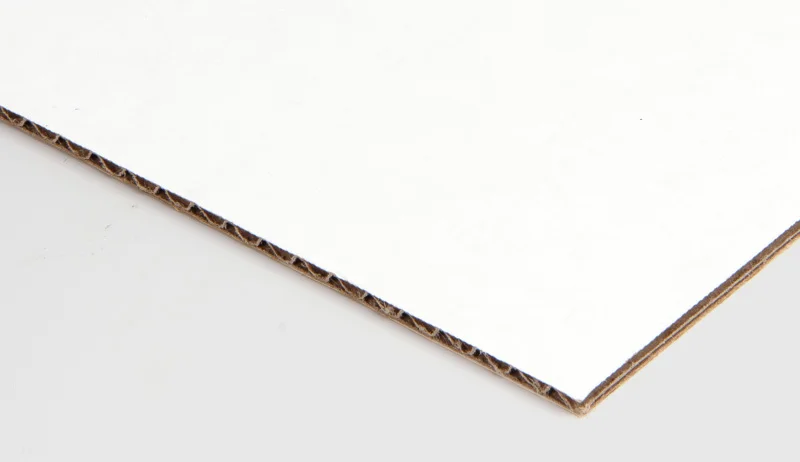
When designing frozen food packaging, it's essential to consider the structural integrity of the package. This includes factors such as ECT (Edge Crush Test), GSM (Grams per Square Meter), and caliper (thickness). A package with a high ECT rating will provide better protection against edge damage, while a package with a high GSM rating will offer improved print quality and durability.
For example, if a frozen food product requires a package with a high ECT rating, a corrugated box with a 32 ECT rating may be a better choice than a package with a 24 ECT rating. However, this may also increase the cost of the package.
When choosing the wrong packaging, brands risk compromising the structural integrity of their products. For instance, if a frozen food product is packaged in a box that is too thin, it may not provide adequate protection against impact damage, leading to product damage during shipping.
Print Production and Finishing for Frozen Food Packaging
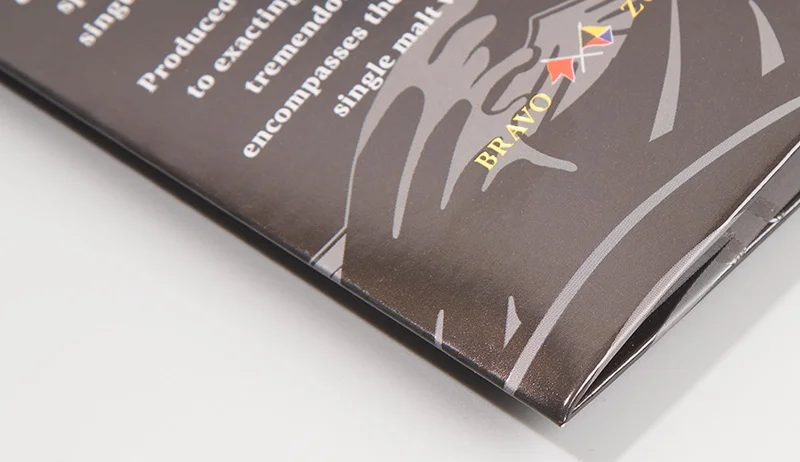
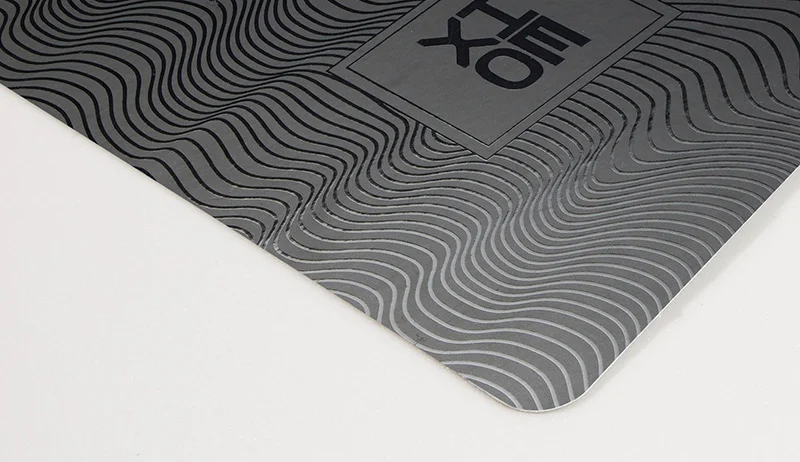
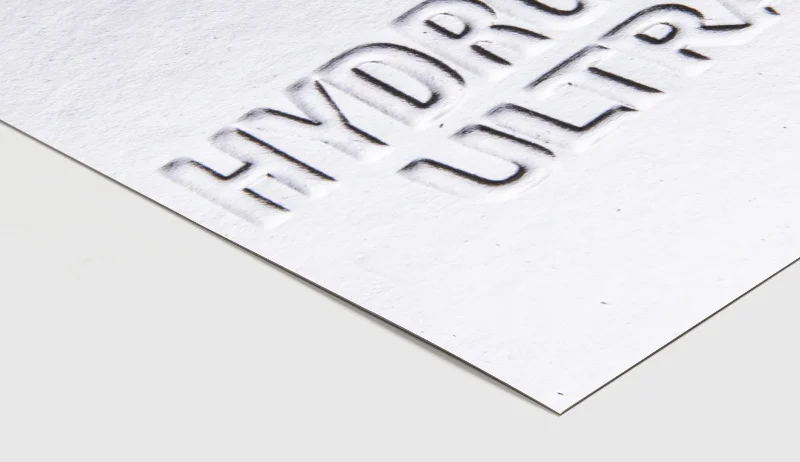
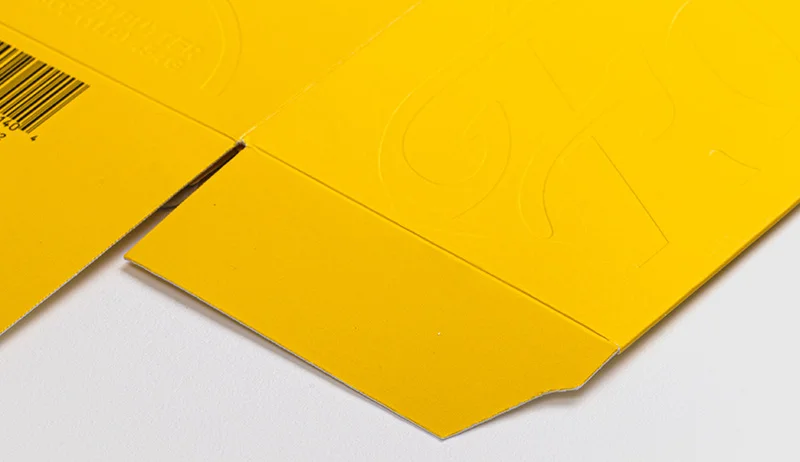
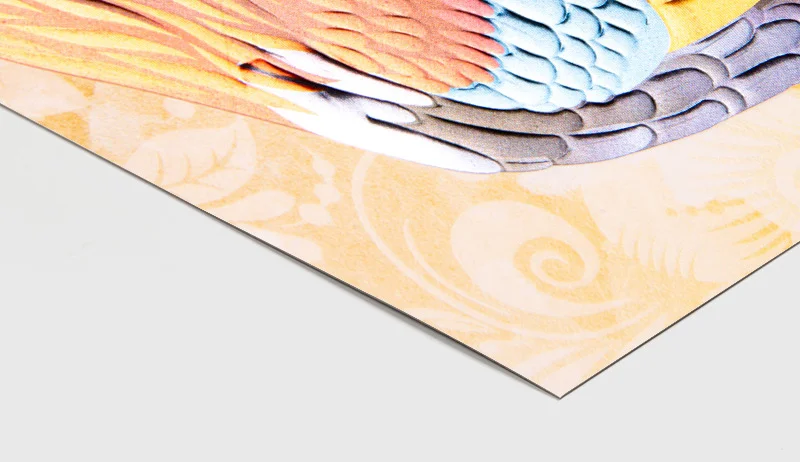
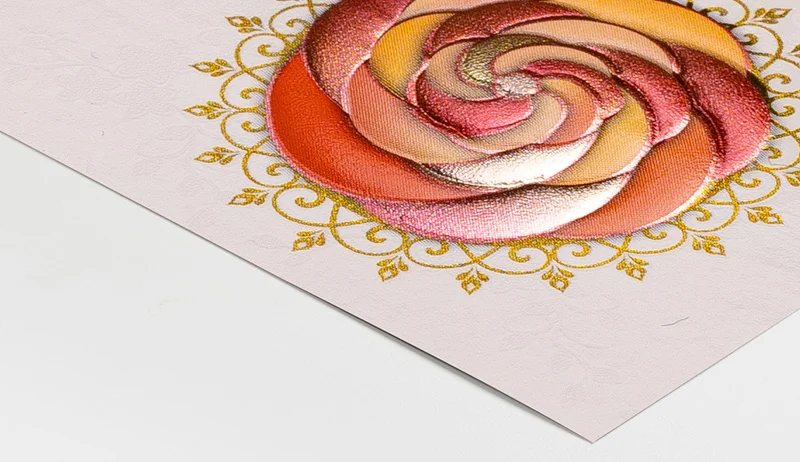
Print production and finishing play a critical role in the overall quality and appearance of frozen food packaging. When choosing a print method, brands should consider factors such as digital vs. offset printing, ink type, and finishing options.
For example, if a frozen food product requires a package with high-quality print and a matte finish, a digital printing process may be a better choice than an offset printing process. However, this may also increase the cost of the package.
When choosing the wrong packaging, brands risk compromising the print quality and appearance of their products. For instance, if a frozen food product is packaged in a box with a low-quality print, it may not meet regulatory requirements, leading to product recalls and brand damage.
Print Method Breakpoints for Frozen Food Packaging
| Print Method | Breakpoint | Cost Implications |
|---|
| Digital Printing | 100-500 units | Higher cost per unit |
| Offset Printing | 500-5,000 units | Lower cost per unit |
When choosing the wrong packaging, brands risk compromising the print quality and appearance of their products. For instance, if a frozen food product is packaged in a box with a low-quality print, it may not meet regulatory requirements, leading to product recalls and brand damage.
MOQ Logic and Pricing Inflection Points for Frozen Food Packaging
MOQ (Minimum Order Quantity) logic and pricing inflection points play a critical role in determining the cost of frozen food packaging. When choosing a packaging solution, brands should consider factors such as MOQ, pricing, and production lead times.
For example, if a frozen food product requires a package with a high MOQ, a brand may need to order a larger quantity of packaging materials, increasing the upfront cost. However, this may also lead to cost savings in the long run.
When choosing the wrong packaging, brands risk compromising the cost-effectiveness of their packaging solutions. For instance, if a frozen food product is packaged in a box with a high MOQ, it may not be cost-effective for small orders, leading to inventory waste and increased costs.
Eco-Friendly Frozen Food Packaging Options
Eco-friendly frozen food packaging options are becoming increasingly popular among consumers and brands alike. When choosing an eco-friendly packaging solution, brands should consider factors such as biodegradability, recyclability, and sustainability.
For example, if a frozen food product requires a package that is biodegradable, a brand may choose a package made from plant-based materials such as cornstarch or sugarcane. However, this may also increase the cost of the package.
When choosing the wrong packaging, brands risk compromising the eco-friendliness of their packaging solutions. For instance, if a frozen food product is packaged in a box that is not biodegradable, it may contribute to environmental waste and pollution.
Why Choose The Blue Packaging for Frozen Food Packaging
The Blue Packaging is a trusted custom packaging manufacturer in the United States, offering a wide range of frozen food packaging solutions that meet the unique needs of growing and enterprise brands.
Our experienced team of packaging engineers, print production specialists, and conversion-focused packaging advisors work closely with brands to design, test, print, pack, and ship frozen food packaging solutions that meet regulatory requirements, reduce damage rates, and increase customer satisfaction.
Contact us today to learn more about our custom frozen food packaging solutions and how we can help your brand succeed in the competitive frozen food market.