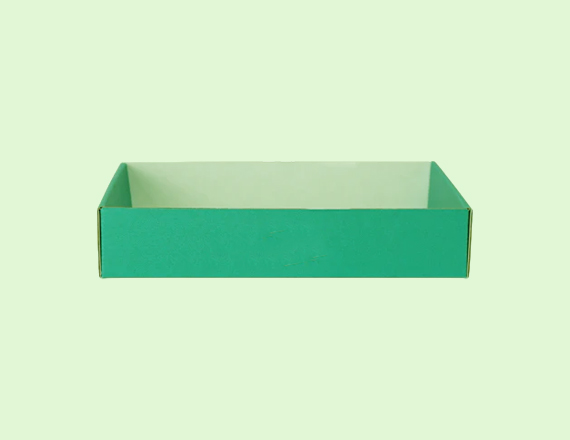
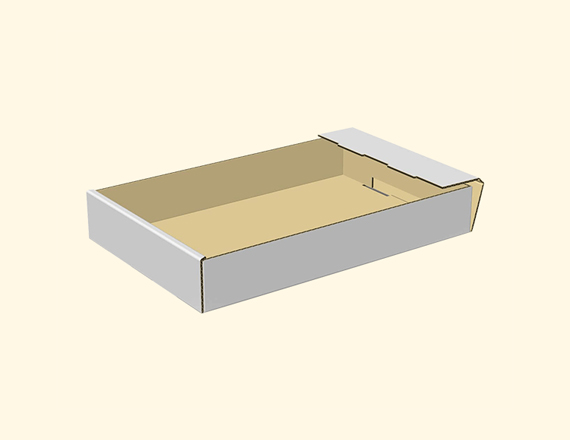
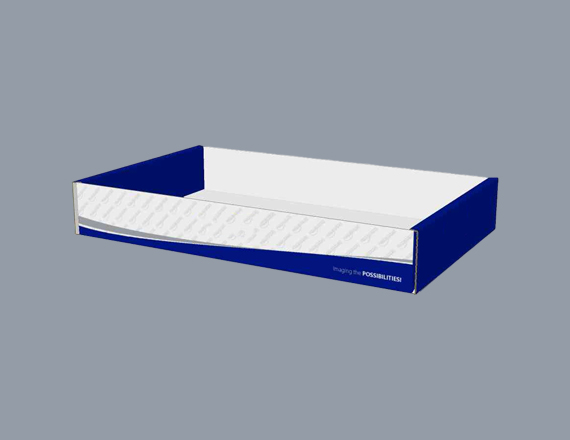
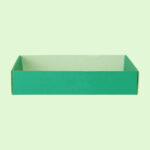
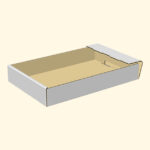
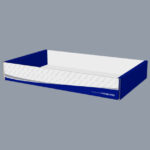
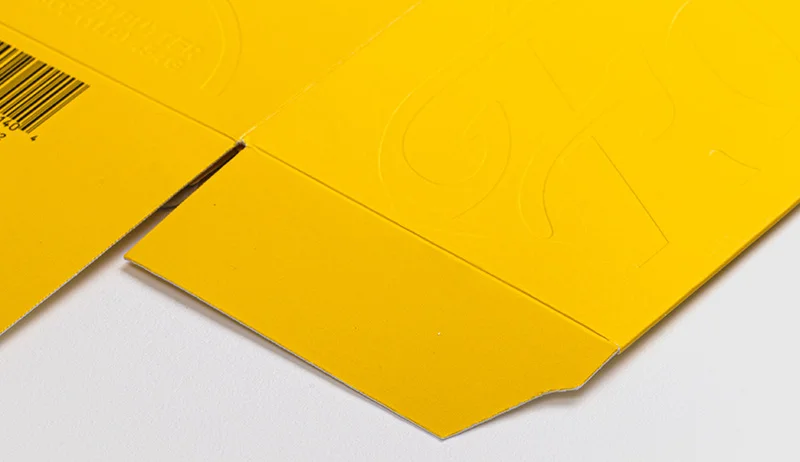
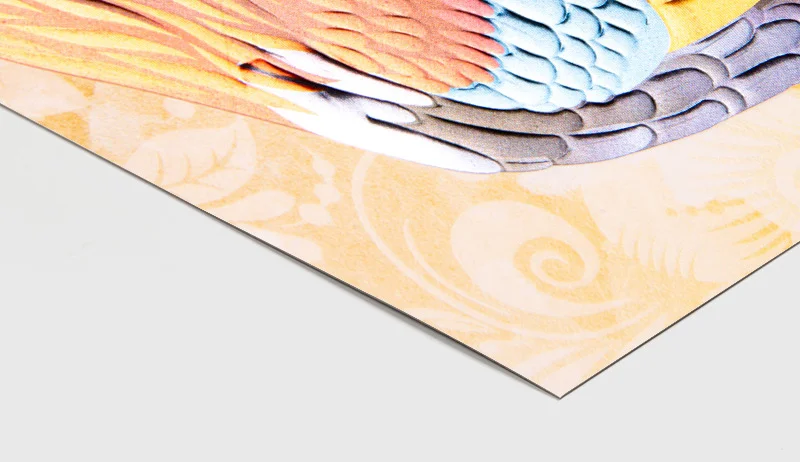
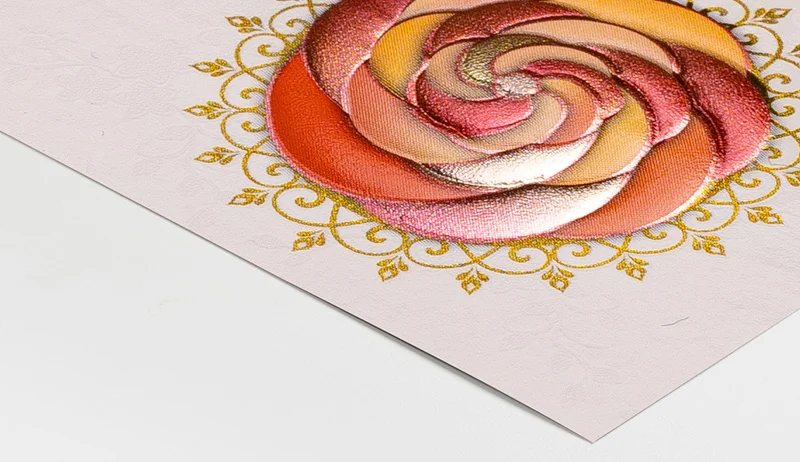
The Blue Packaging | Roll End Tray
Custom Roll End Trays for Growing and Enterprise Brands
As a packaging engineer with hands-on experience in structural design, print production, and shipping logistics, I've seen firsthand the impact of a well-designed Roll End Tray on a brand's bottom line. In this article, we'll explore the ins and outs of custom Roll End Trays, including the importance of material selection, print methods, and production tolerances.
Why Choose a Custom Roll End Tray?
- Reduce damage rates: A custom Roll End Tray can help prevent damage during shipping, reducing the risk of product returns and associated costs.
- Improve branding: A branded Roll End Tray can reinforce your brand identity and create a memorable unboxing experience for customers.
- Enhance eco-friendliness: Eco-friendly Roll End Trays made from recycled materials can help reduce your brand's environmental footprint.
When to Avoid a Custom Roll End Tray
While custom Roll End Trays offer numerous benefits, there are situations where a standard or generic tray may be a better choice. For example:
- Low-volume orders: If you only need a small quantity of Roll End Trays, a standard or generic tray may be more cost-effective.
- Simple packaging needs: If your product requires minimal protection during shipping, a standard tray may suffice.
How to Choose the Right Material for Your Roll End Tray
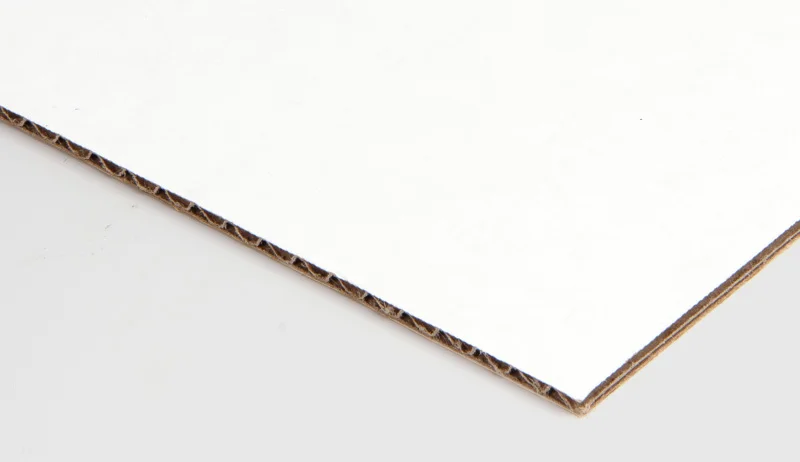
The material selection for your Roll End Tray is critical to ensuring durability and protection during shipping. Here are some factors to consider:
- ECT (Edge Crush Test) rating: A higher ECT rating indicates greater crush resistance and durability.
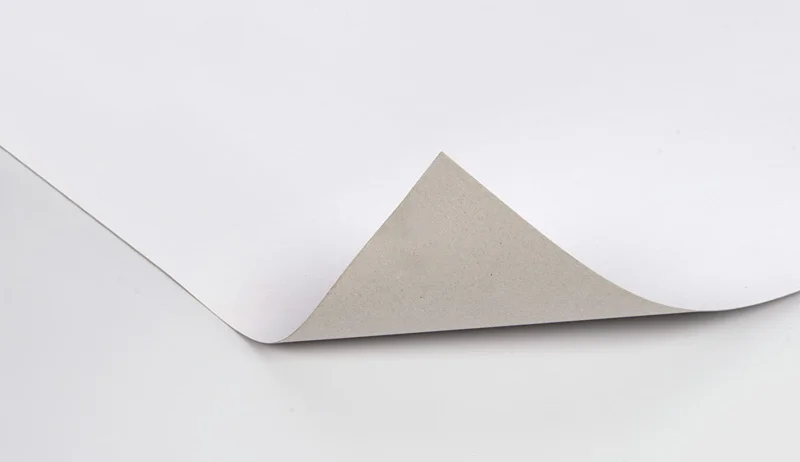
- GSM (Grams per Square Meter): A higher GSM rating indicates greater thickness and protection.
- Caliper: A thicker caliper provides greater protection and durability.
Print Method Breakpoints: Digital vs. Offset
The print method you choose for your Roll End Tray depends on the quantity and complexity of your design. Here are some breakpoints to consider:
- Small quantities (less than 1,000): Digital printing is often more cost-effective for small quantities.
- Medium quantities (1,000-5,000): Offset printing may be more cost-effective for medium quantities.
- Large quantities (over 5,000): Offset printing is often more cost-effective for large quantities.
MOQ Logic and Pricing Inflection Points
The minimum order quantity (MOQ) for your Roll End Tray can impact pricing and production lead times. Here are some factors to consider:
- MOQ: The minimum number of units required to produce a custom Roll End Tray.
- Pricing inflection points: The point at which pricing changes based on quantity or complexity.
Real-World Constraints and Tradeoffs
As a packaging engineer, I've encountered numerous real-world constraints and tradeoffs when designing and producing Roll End Trays. Here are some examples:
- Material availability: Material shortages or lead times can impact production schedules and costs.
- Print method limitations: Digital printing may not be suitable for complex designs or large quantities.
- Production tolerances: Tolerances can impact the fit and finish of the Roll End Tray.
Cost vs. Performance Compromises
When designing and producing Roll End Trays, there are often compromises between cost and performance. Here are some examples:
- Material selection: Thicker materials may provide greater protection but at a higher cost.
- Print method selection: Digital printing may be more cost-effective but may not be suitable for complex designs.
Realistic Industry Statistics
According to a study by the National Retail Federation, the average cost of product returns in the U.S. is $1.28 per item. A custom Roll End Tray can help reduce damage rates and associated costs.
Explicit Warnings
Here are some explicit warnings to consider when designing and producing Roll End Trays:
- Material selection: Be cautious when selecting materials that may not meet your brand's sustainability goals.
- Print method selection: Be aware of the limitations of digital printing for complex designs or large quantities.
Conclusion
A custom Roll End Tray can provide numerous benefits for growing and enterprise brands, including reduced damage rates, improved branding, and enhanced eco-friendliness. However, there are situations where a standard or generic tray may be a better choice. By understanding the importance of material selection, print methods, and production tolerances, you can make informed decisions about your Roll End Tray design and production.
About The Blue Packaging
The Blue Packaging is a custom packaging manufacturer trusted by growing and enterprise brands across the United States. With direct experience in structural packaging design, corrugated and paperboard manufacturing, print production, and packing and shipping logistics, we can help you create custom Roll End Trays that meet your brand's unique needs and goals.
Contact Us
For more information about custom Roll End Trays or to discuss your packaging needs, please contact us at [insert contact information].
© 2023 The Blue Packaging. All rights reserved.